The Process of Fermentation

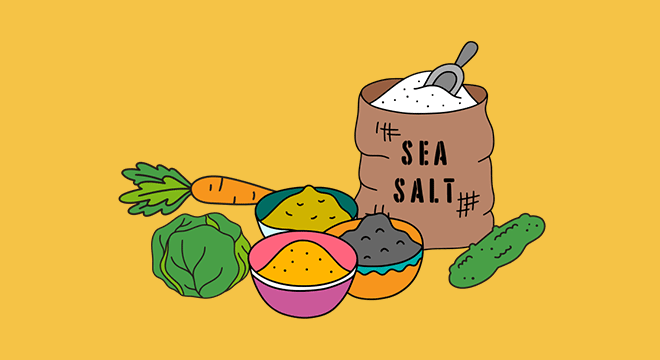
Illustration of pickle factory next to jars of pickles
Illustration of salt and fermentation ingredients

The fermentation process starts with farm fresh vegetables, spices and pure high mineral sea salt.
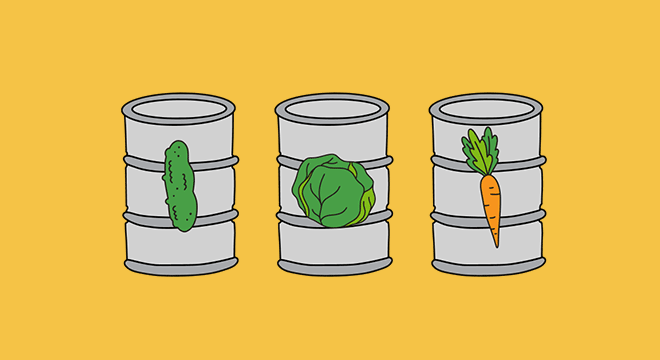
Illustration of barrels with vegetables in front

Veggies are placed in a fermentation barrel and submerged under the salt water brine.

Illustration of happy beneficial bacteria next to picles

In this temperature-controlled, oxygen free environment, bad bacteria dies and good bacteria begins to grow and flourish.

Illustration of a cucumber turning into a pickle

The proliferation of beneficial lactobacillus bacteria transforms the taste, texture and color of the veggies as they become preserved.

Illustration of measuring chemistry

The pH and salinity are measured for food safety and doneness. The veggies are now refrigerated, which halts the process of fermentation.

Illustration of a super pickle!

The resulting preserved ferments are now probiotic superfoods! These good-guy bacteria interact with the resident microbiome in a positive way.

Illustration of happy beneficial bacteria next to a digestive system

Microbiome science is the leading edge of 21st century nutritional research. Studies show those who consistently eat fermented foods have lower inflammation and stronger immunity.

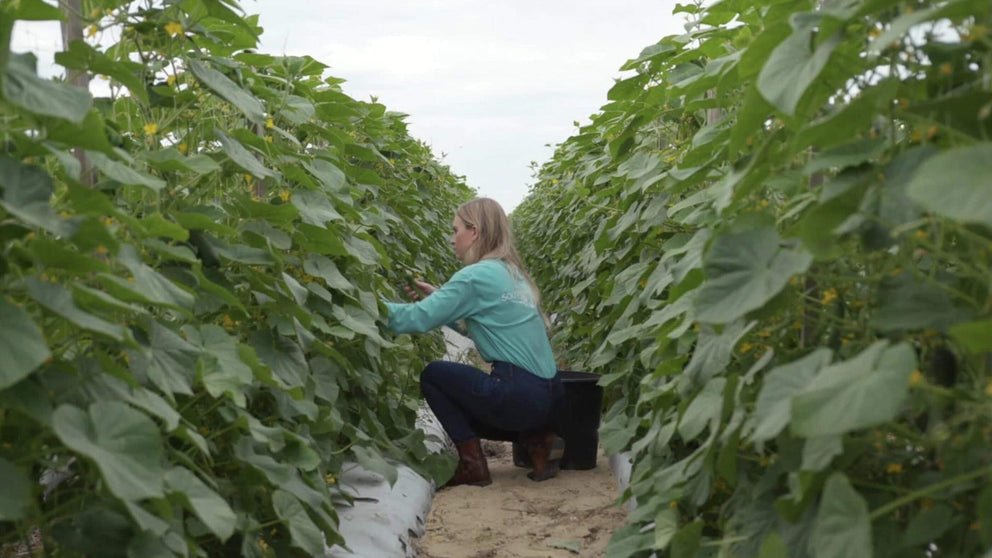
Grower caring for cucumber plants in the field

Where does your food come from? We'll show ya.

FAQs

At Olive My Pickle, we specialize in lacto-fermentation, also known simply as fermentation. 'Lacto' is short for 'lactic acid', which describes the type of probiotic bacteria that naturally develops during fermentation.

It doesn't have anything to do with lactose, whey, milk or yogurt. There is a Slavic tradition that uses milk whey as a starter for beet kvass, but we don’t do that.

All of Olive My Pickle's products are 100% plant-based/vegan. 

Fermentation preserves vegetables with salt water brine. It produces a much different end result than pickling which uses vinegar, sugar and/or heat canning methods to "cook" the pickles.

A fermented pickle is not cooked, rather it is raw and unpasteurized, alive and teeming with good bacteria. 

While it’s necessary to pasteurize factory-processed foods to ensure safety, sterilizing all food, especially live culture foods that are intrinsically food safe, isn’t necessary and can be harmful.

That’s because humans were designed for and have evolved to eat live culture foods.

Denaturing our food, overusing antibiotics and antimicrobial skin products damages our microbiome, which we depend on for survival.

For more information please read our article Are Fermented Foods Safe?

Yes. Fermented foods are intrinsically food safe due to their pH level, which measures at about 3.5. This pH level prohibits the growth of harmful pathogens.

At OMP, we pH test 100% of our fermentation batches, to ensure they meet and exceed acceptable pH levels for food safety.

Vinegar pickling uses acetic acid to acidify and preserve vegetables. The process is fast, the flavor is sharp, and the result is shelf stable. But vinegar pickles are not fermented and they do not contain live probiotic bacteria. Lacto-fermentation is a slower, live process driven by bacteria. The end result has a more complex, umami-rich flavor profile and contains the lactic acid bacteria and enzymes that benefit your gut. At Olive My Pickle, every product is lacto-fermented, never vinegar pickled.

No starters, no additives, no cultures added from outside the process. Our fermentation relies entirely on the naturally occurring lactic acid bacteria present on the raw vegetables we source. Salt, water, vegetables, and time. That is the full process.

The strains that develop vary by product. Fermented pickles, LiveBrine, and fermented vegetables primarily contain Lactobacillus Plantarum, Lactobacillus Pentosus, and Leuconostoc Mesenteroids. Kraut and kimchi also contain Lactobacillus Brevis, Pediococcus Acidilactici, and Pediococcus Cerevisiae. These are naturally occurring strains, not added cultures.

We ferment in temperature-controlled rooms at around 68 to 70 degrees Fahrenheit, which is the optimal range for lactic acid bacteria to activate and ferment at a consistent rate. This allows us to produce ferments with reliable probiotic counts and consistent flavor across batches.